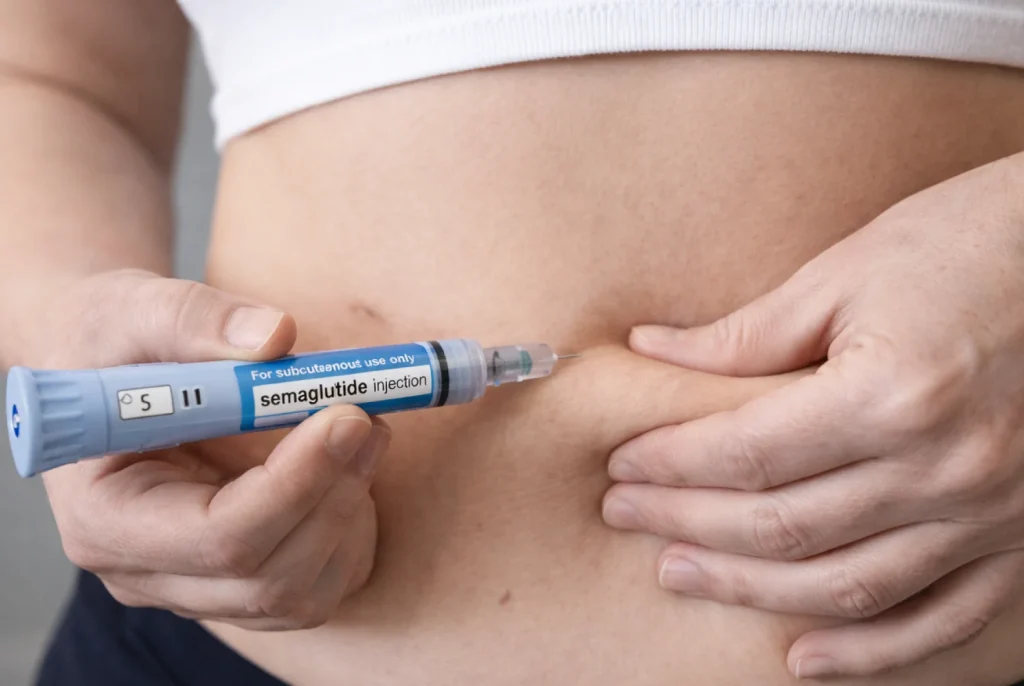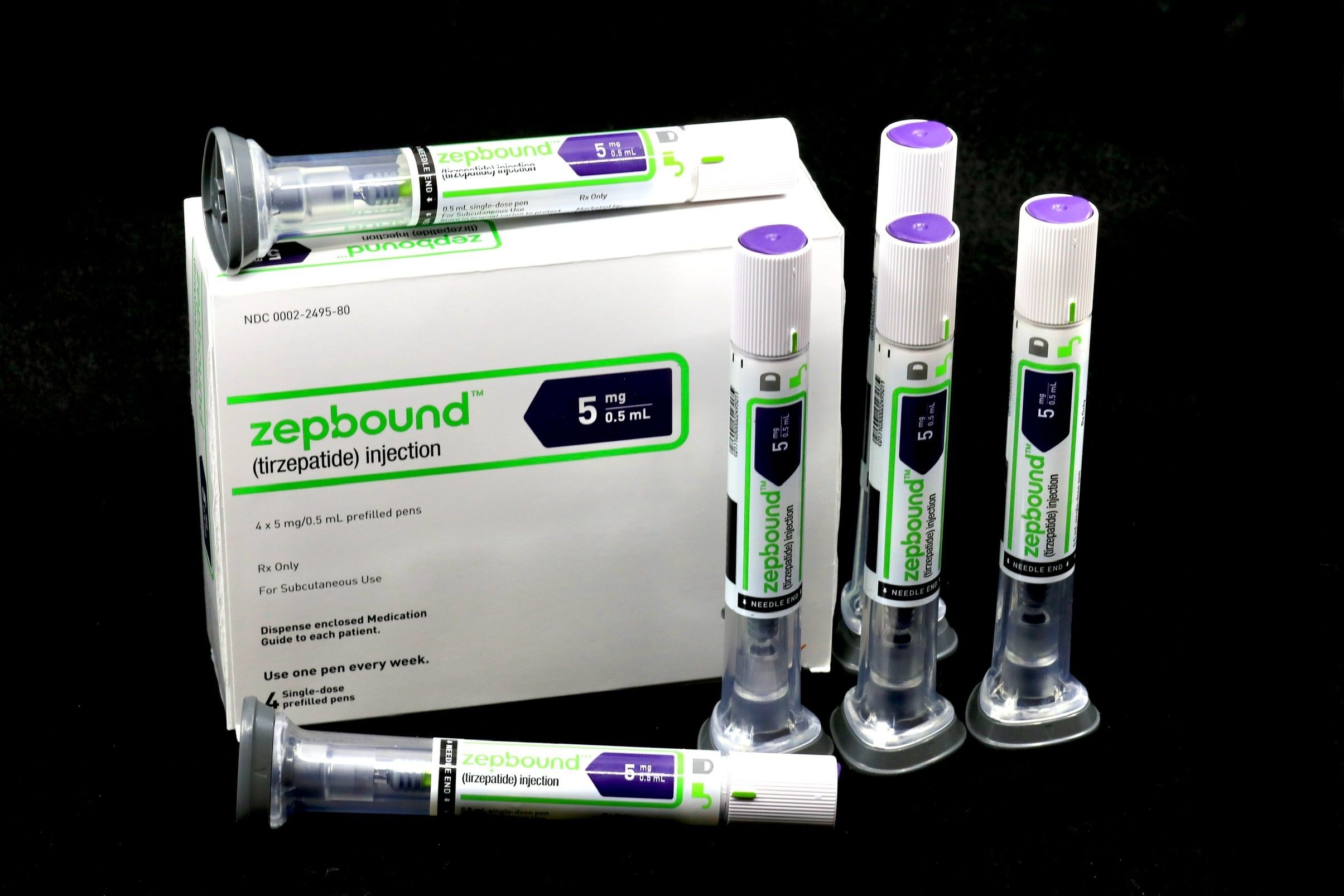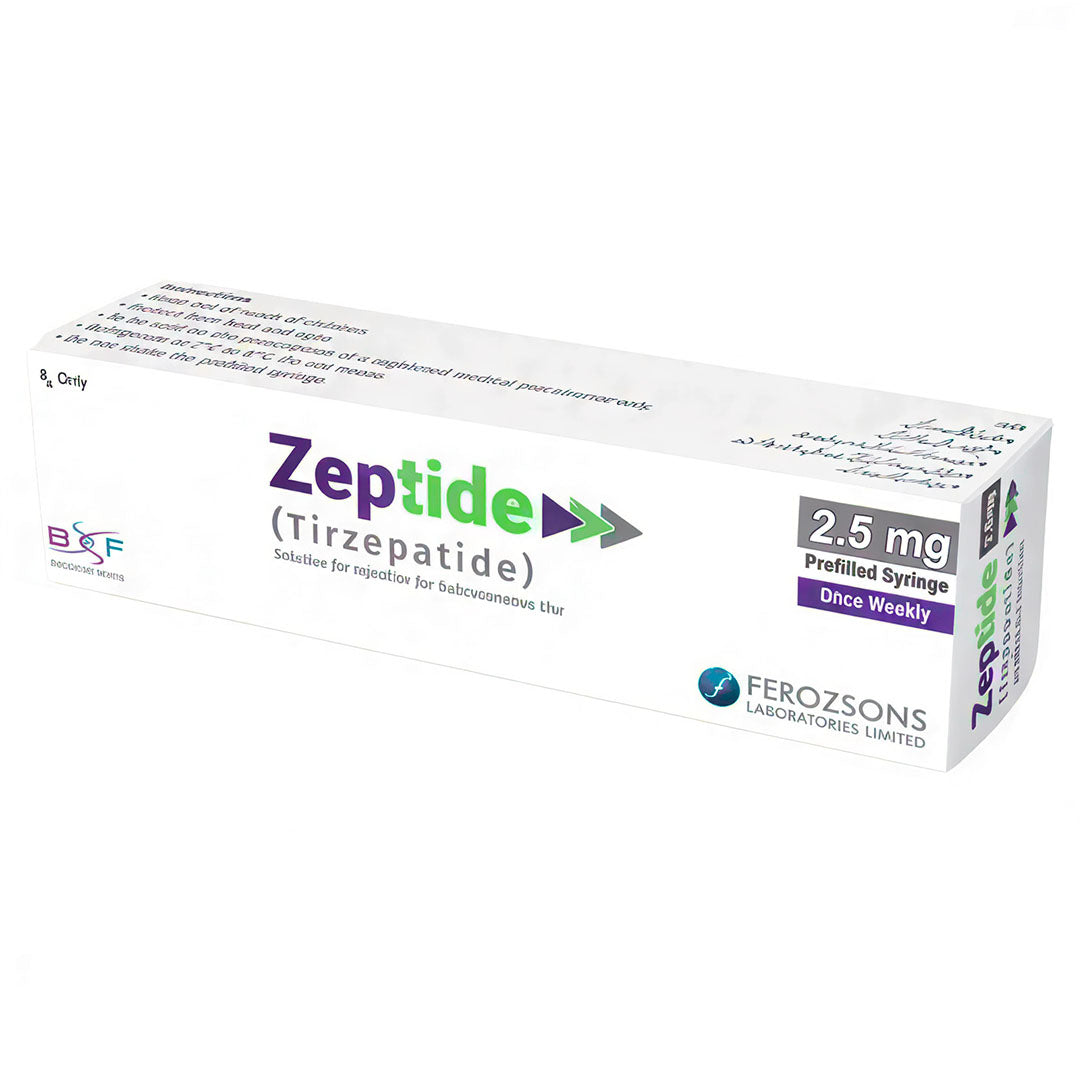



GLP-1 reseptr agonistleri bu nedenle yalnzca kilo verdiren veya kan ekerini dzenleyen ilalar olarak grlmemelidir
+ Cn bng ni tit t n, gip ci thin sc khe sinh l

It remains integral towards crafting tailored healthcare plans including both pharmacological solutions involving agents acting upon receptors related peptides possessing similarities glucagon line addition various adaptive behaviors considering entirety complexities accompanying disorder thus ushering era where afflicted parties may find solace comfort ability effectively tackle obstacles arise due predicaments stemming from diabetic syndromes more manageable align themselves trajectory points optimism personal growth possibility genuine happiness newfound sense fulfillment likely ensue thereafter ensuing interactions collaborations set forth before them accordingly therein lies potential transformative experiences await those willing engage actively participate journey ahead full realization potentials lie beyond horizon yet reached embraced its fullest extent possible given present circumstances constraints thereof mindfully aware implications therein associated therewith henceforth moving forward collective future bright hopeful promise beckons call action answer willingly courageously nobly venture chart course destiny designed excellence perpetuity amen Summary As we conclude our journey through the world of GLP-1 agonists, its clear that these medications are a powerful force in the battle against diabetes and obesity

Glutamine deprivation induces abortive s-phase rescued by deoxyribonucleotides in k-ras transformed fibroblasts
Why GHK-Cu Alone Often Underperforms in Deep Injury Recovery GHK-Cu can be impressive in skin quality and surface-level regeneration, yet deep tissue injuries and chronic inflammatory issues often require more groundwork
Serena Jingchuan Guo, M.D., Ph.D., an assistant professor of pharmaceutical outcomes and policy in the UF College of Pharmacy and the studys senior author, said this research carries significant implications for older patients with diabetes, a group that has a higher depression risk than the general population